
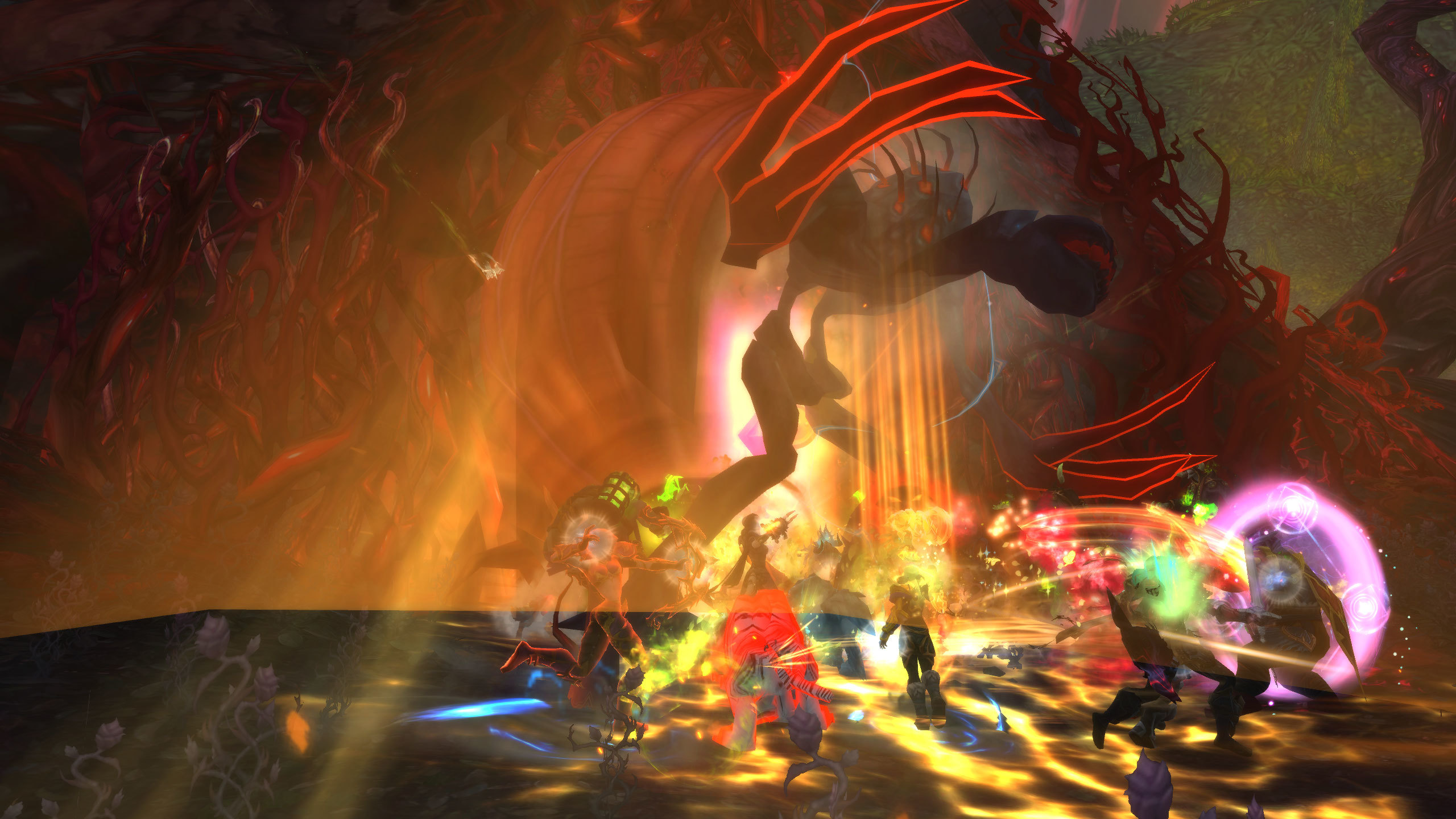
Raid tier sets are some of the most recognizable pieces of gear in WoW’s history. They aren’t just armor—they are symbols of identity, prestige, class fantasy, and the eras from which they came. Over the years, these sets shaped not only character appearance but also community trends and the evolution of transmog as an entire gameplay pillar. Some sets became timeless masterpieces. Others became memes, fashion movements, or collector obsessions.
This article explores the most iconic raid tiers ever released and explains how they helped turn transmog into one of the most beloved systems in the game.
The Cultural Weight of Tier Sets
Tier sets define expansion memories. When players think of Wrath, they picture Tier 10. When they reflect on Burning Crusade, Tier 5 and Tier 6 dominate the landscape. Every era has armor visuals that act like time capsules, recalling triumphs, guild nights, late-night wipes, and the thrill of beating encounters for the first time. Tier sets aren’t just fashion—they’re emotional anchors.
Blizzard understood this early, designing sets that express class fantasy through color, shape, and epic silhouettes.
Tier 6: The Template for Legendary Design
Tier 6 remains one of the most universally celebrated raid tiers ever produced. The Warrior Onslaught Armor, Warlock Malefic Raiment, and Paladin Lightbringer Raiment set a new standard for class identity. Tier 6 captured the power, mysticism, and epic scale of Burning Crusade’s most dramatic raids—Black Temple, Mount Hyjal, and Sunwell Plateau.
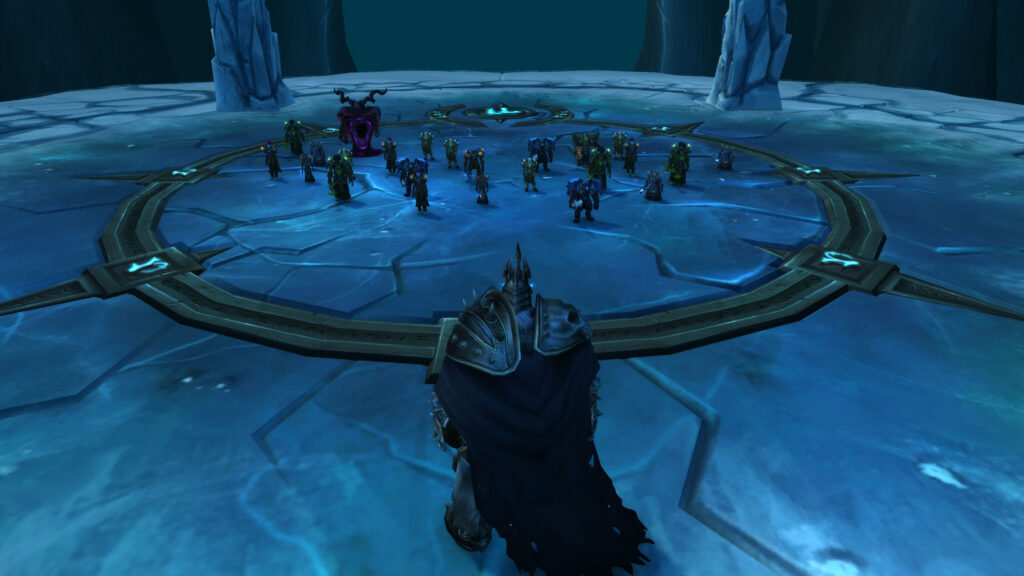
Even in 2025, Tier 6 is one of the most farmed transmog sets in the game, cementing its legacy as the “golden age” of raid aesthetics.
Wrath of the Lich King and the Rise of Visual Themes
Wrath expanded tier set identity by aligning armor with raid themes. Tier 10, forged in Icecrown Citadel, provided some of the strongest thematic cohesion ever seen. Classes received frost-infused, death-themed armor that tied directly into the Lich King narrative. From the skull-faced Warlock set to the Paladin’s crystalline holy battlegear, these designs became synonymous with Northrend itself.
This era showed how armor could reinforce storytelling through visual design.
Recolors, Variants, and Mythic Exclusivity
Later expansions introduced recolors and difficulty-specific variants. Mythic sets became status symbols, featuring more detailed textures, moving components, and brighter spell effects. This gave players a new kind of cosmetic prestige—not just wearing a tier set, but wearing the version of the set that reflected their accomplishments.
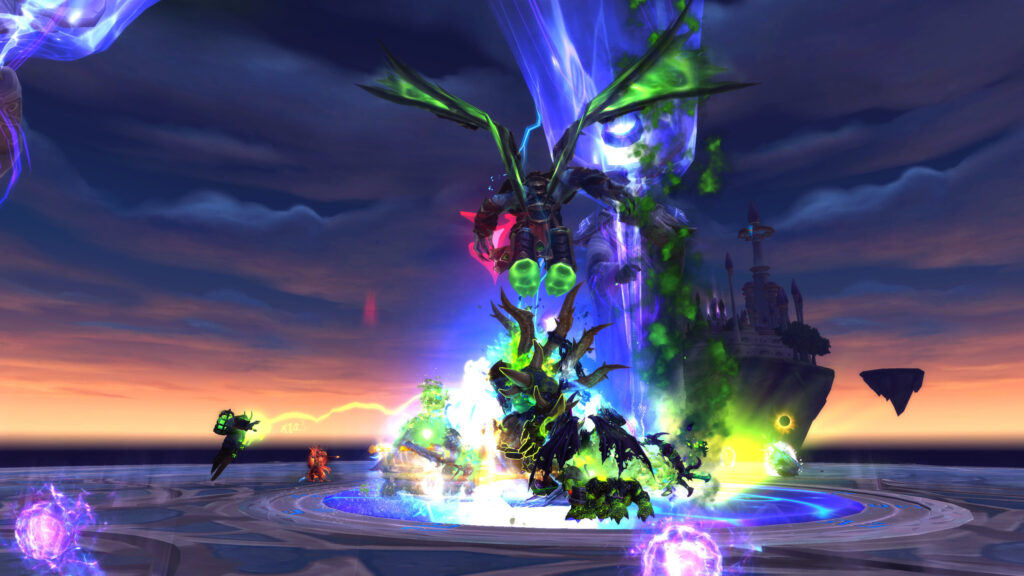
This evolution encouraged the growth of the transmog scene, sparking discussions, showcases, and community fashion events.
| Tier | Expansion | Why It Became Iconic |
|---|---|---|
| Tier 6 | Burning Crusade | Perfect class fantasy and Black Temple nostalgia |
| Tier 10 | Wrath of the Lich King | Unmatched thematic cohesion tied to ICC |
| Tier 19 | Legion | Modernized class identity with strong silhouette emphasis |
| Sepulcher Sets | Shadowlands | Mythic exclusives with advanced moving elements |
| Vault of the Incarnates | Dragonflight | Primal-influenced designs with unique effects |
Legion and the Rebirth of Class Identity
Legion resurrected class identity through Tier 19, the Nighthold and Emerald Nightmare sets. These designs distilled the essence of each class into visually striking armor: Demon Hunters with fel-soaked spikes, Druids with nature-infused shapes, and Mages with arcane energy woven into cloth. Legion’s sets marked a return to bold class representation in armor design.
These aesthetics helped renew transmog excitement on a massive scale.
Shadowlands and the Era of Moving Parts
Shadowlands introduced tier sets with dynamic, animated elements. Shoulders glowed, helms breathed light, and textures shifted like living material. These sets pushed WoW into a modern era of cosmetic storytelling. Mythic variants expanded this innovation with even more dramatic animations.
Players quickly embraced these sets as fashion landmarks, integrating them into themed mogs built around anima, shadow magic, or covenant identity.
Dragonflight’s Elemental Aesthetic Revolution
Dragonflight tier sets embraced the primal theme of the expansion, highlighting fire, wind, storms, scales, and earth-touched textures. The Vault of the Incarnates sets created a new visual language—themes didn’t just match classes, they merged class identity with elemental forces. Players found endless inspiration in these designs, which fit naturally into both transmog collections and environmental storytelling.
This era also strengthened the connection between gameplay and cosmetic prestige.
The War Within and the Return of Classic Influence
The War Within reintroduced grounded, thematic sets rooted in Earthen craftsmanship, deep-road cultures, and ancient armor traditions. These sets strike a balance between modern fidelity and classic class silhouettes, capturing the nostalgia of early expansions with improved artistic depth.
The designs fit seamlessly into transmog culture thanks to their practicality, readability, and strong thematic essences.
How Tier Sets Shaped Transmog Communities
Transmog communities grew around iconic tiers. Players share mogs on social platforms, compete in fashion contests, create class-specific aesthetics, and form transmog guilds dedicated to collecting rare armor. Tier sets act as backbone templates for these styles, giving players a strong foundation on which to build personalized looks.

Some sets become fashion staples. Others become ironic favorites. But all of them help define WoW’s visual culture.
Why Tier Sets Will Always Matter
Tier sets embody class identity, history, and achievement. They serve as visual milestones that define expansions and let players carry memories forward. Each new set is an opportunity to present a fresh interpretation of a class, expand on fantasy themes, and deepen the connection between character and narrative.
As long as WoW continues to evolve, tier sets will remain cultural pillars of the game.
Conclusion
From the ancient halls of Black Temple to the crystalline heights of Legion’s Nighthold, tier sets have shaped player identity and transmog culture for nearly two decades. Their influence goes far beyond armor—they represent artistry, storytelling, pride, and community expression. As WoW continues to grow in visual complexity, raid tiers will remain at the center of its fashion culture, inspiring players to revisit old raids, celebrate iconic styles, and build new looks that honor the legacy of the game.
Transmog may be a system, but tier sets are its foundation—timeless, iconic, and endlessly expressive.
Leave a Reply